

1. INTRODUCTION
Convenient locations are not where emergencies occur. A train may derail far from any town, a wildfire may burn on a distant hillside, and a storm may knock off phone service and electricity to a whole district. Responders require a place to congregate, plan, and communicate during such times. That is precisely what a mobile command vehicle offers. It is a mobile headquarters that is driven directly to the scene of an incident.
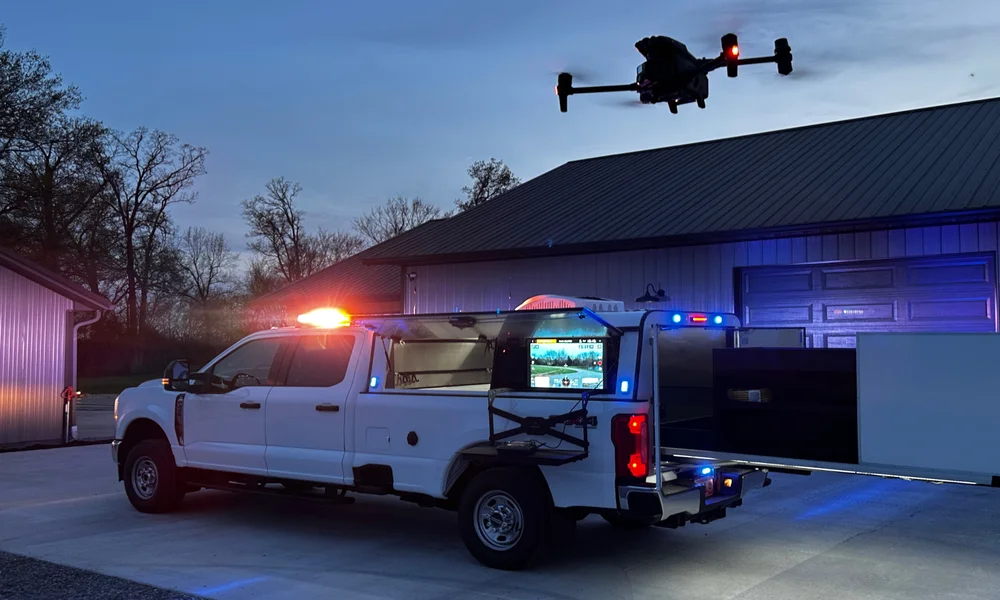
Modern mobile command vehicles give emergency teams the flexibility to establish an organized response base wherever an incident occurs. Equipped with communication systems, power supplies, workstations, and technology for monitoring conditions, these vehicles help responders coordinate without depending entirely on nearby buildings or damaged infrastructure. This mobility is especially valuable when emergencies affect remote areas or disrupt normal communication, allowing leaders and support teams to remain connected and make timely decisions from the field.
2. A HEADQUARTERS THAT COMES TO THE SCENE
These cars’ primary benefit is proximity. Commanders sit in close proximity to the incident rather than conducting an operation from an office located many kilometers away. They may communicate directly with crew leaders, monitor changes in conditions, and modify plans in a matter of minutes. Decisions made close to the action are typically quicker and more informed than those made farther away.
3. KEEPING COMMUNICATION ALIVE
The networks that responders rely on are frequently harmed by disasters. Even when local towers are down, communication is still possible since mobile command trucks are equipped with their own radios, satellite technology, and network gear. Additionally, many may bridge various radio systems, enabling communication on a single shared channel between a fire crew and a police officer using different equipment. Numerous delays during cooperative operations have been eliminated by this one function alone.
4. SPACE TO THINK AND DECIDE
Inside, the car provides a peaceful, well-lit, and protected workspace-something that an open field cannot. Live camera feeds, drone footage, and maps are shown on screens. Employees are seated at appropriate desks with data and power connections. Instead of yelling over the sound of engines, executives can analyse material quietly away from smoke, noise, and bad weather.
5. SUPPORTING THE CREW
These trucks also take care of the responders. They offer illumination at night, heating in the winter, cooling in the summer, and frequently a small space for briefings and quick pauses. This comfort keeps employees focused and minimizes errors brought on by fatigue during multi-day activities.
6. A BASE FOR MANY AGENCIES
Once the vehicle is launched, it naturally becomes neutral ground because it is not associated with any particular team. It is possible for representatives from several services to concur on a single strategy while standing around the same table and staring at the same screen. When agencies’ leaders are physically present, information moves between them much more freely.
7. WHERE THEY ARE USED
Mobile command vehicles are used for scheduled security operations, search and rescue operations, significant accidents, natural catastrophes, and big public gatherings. They are equally helpful when teams are practicing in real-world scenarios during training exercises.
8. CONCLUSION
Within minutes of arriving, a mobile command vehicle transforms an unknown, damaged, or vacant site into an operational operations base. It eliminates many of the barriers that impede an emergency response by reestablishing communication, providing leaders with a suitable workspace, and uniting agencies in one location. It has emerged as one of the most sensible investments for teams who need to be prepared to operate wherever.


